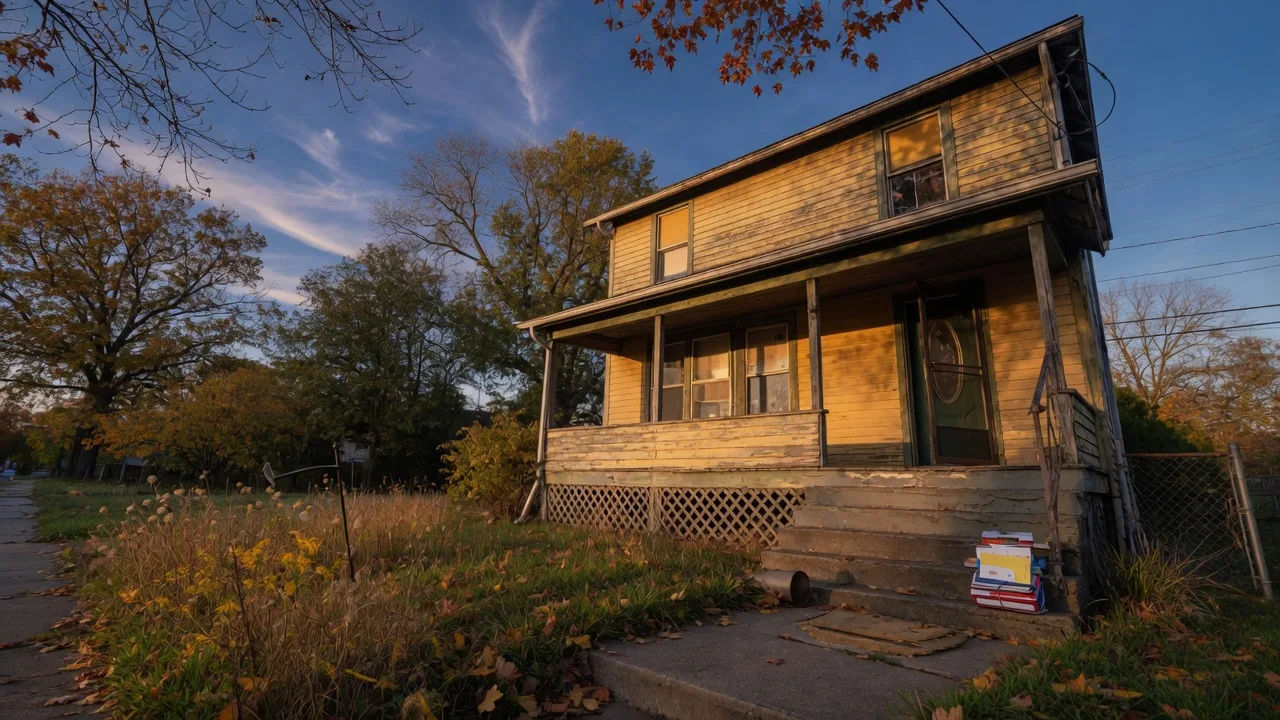

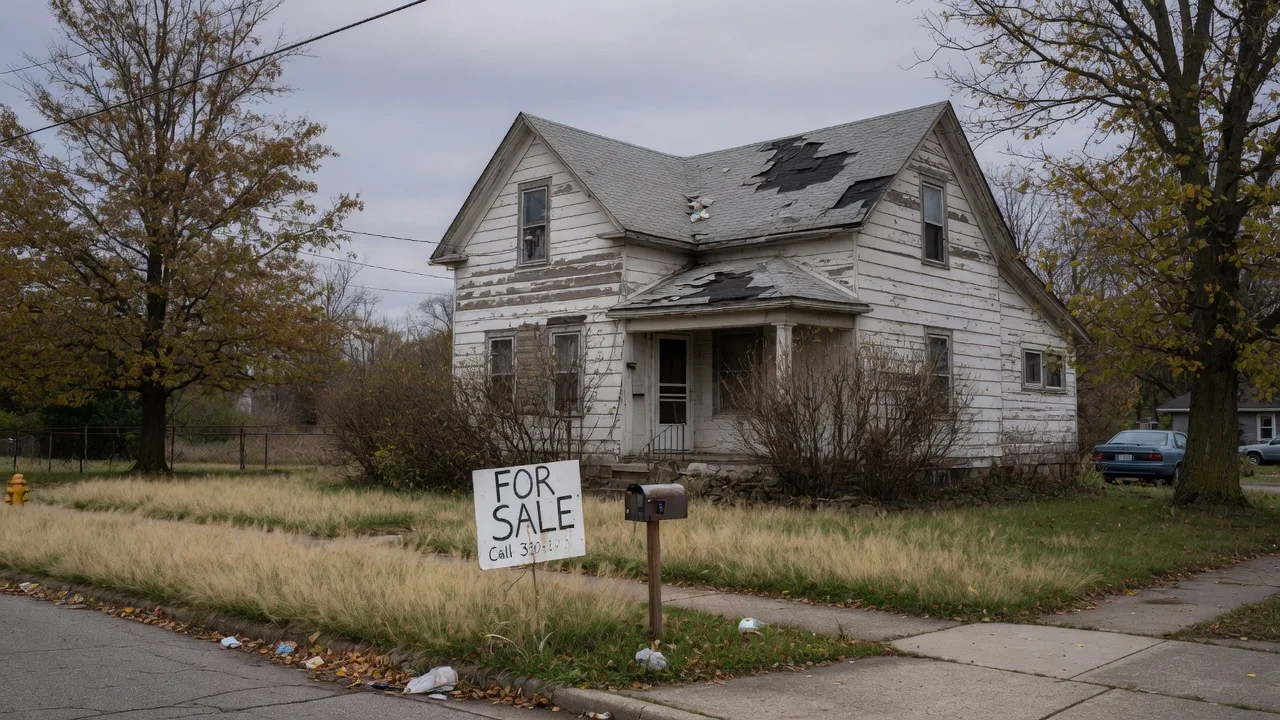
When a home needs work, the way it is marketed and handled matters more than the condition of the walls. Most of the costly mistakes made by sellers of homes that need work happen before the first showing, and almost all of them are avoidable. This article walks through the most common mistakes Northeast Ohio homeowners make when selling a home that needs work, and how to keep them from costing you money.
The results of selling a home that needs work the right way are consistent. Across every listing in Northeast Ohio, the average sale price has been $43,520 above the original list price, or 29.1 percent above asking, with an average of 8.2 competing offers and 5 days on market. These are aggregate figures across Cuyahoga, Lake, and Geauga counties combined, and they show what becomes possible when the mistakes below are avoided.
Curious What Your Home Could Sell for Without Making a Single Repair?
Most Northeast Ohio homeowners are surprised when they see the number. Enter your address and see what buyers could offer for your home as it sits today. It takes about 60 seconds, with no obligation and no pressure.
See My Home's PotentialMistake 1: Making Repairs the Home Never Needed
The most expensive mistake a seller can make is renovating a home that buyers would have bought exactly as it sits. Repairs rarely add dollar-for-dollar value, and on a home marketed to the right audience they are often unnecessary. A Willoughby home that needed approximately $61,000 in repairs sold with no work done by the owner, at $76,100 above list price, with 8 competing offers. The repair budget stayed in the seller's pocket because buyers competed for the home as it was.
This is not the same as ignoring real problems. Structural issues, roof condition, and systems on their last legs all affect the price buyers will pay. The point is that the market prices them in when a home is exposed to the buyers who are actually looking for an opportunity. Spending money to hide those realities rarely earns the seller the same amount back.
Before touching a paintbrush, ask whether the planned work would change how many buyers compete for the home. Money spent on upgrades serves a seller best only when it brings a return greater than the cost, and on homes that need work, exposing the home to the market is often what brings the bigger number.
Mistake 2: Pricing for the Home It Could Be, Not the Home It Is
Every home has two prices in the seller's mind: what the home could be worth after renovations, and what it is worth as it sits. Sellers who anchor to the first number often list too high, scare away interest, and then watch the listing sit while the market wonders if price, rather than condition, is the problem.
The homes that sell above list price are priced to the home as it sits, which is what draws a large pool of interested buyers in the first place. When the price matches the current condition, the home looks like an opportunity, and opportunities attract competition. It is the competition that pushes the final number above list, not a list price that was too high to begin with.
Pricing a home that needs work takes its own discipline. The wrong price does not just reduce the number of showings. It changes who shows up. A realistic price brings the buyers who understand fixer-uppers, which is the audience most likely to offer at or above list.
Mistake 3: Letting the Listing Drag On
The homes that sell above list price in Northeast Ohio spend an average of 5 days on market. The homes that lose money to a seller are usually the opposite: 30, 60, or 90 days of showings, lower offers, and carrying costs on a property that the market reads as unwanted. Every week on the market signals to buyers that there is no competition, which gives them no reason to offer at or above the price the seller wants.
A defined, short exposure window does the opposite. It tells buyers the home will not be available for long, which pushes them to make a decision and an offer quickly. The urgency that produces multiple offers is not accidental, and it rarely survives a long listing.
Mistake 4: Marketing to the Wrong Audience
A home that needs work does not get its best result by being shown to the broadest possible audience. The general market skews toward move-in ready homes, and a home with dated finishes will sit while casual shoppers walk past it. The strongest responses come from investors, renovators, and first-time buyers who are already looking for the kind of project the home represents.
Targeting that audience changes the math. The Mentor fixer-upper listed in December drew 35 showings in five days and sold for $48,100 above list price, with the full story documented in the Mentor case study. Concentrating attention on the right buyers in a short window is what makes buyers act on their strongest offer instead of waiting.
Mistake 5: Negotiating Without Competition
The largest driver of an above-list price is not the list price, and it is not the amount of work the seller did. It is the number of buyers competing for the same home at the same time. When a buyer knows another interested party is looking at the same property, each one puts their best offer forward instead of starting at the lowest number they can get away with.
Sellers who accept the first reasonable offer, or who negotiate in private with a single buyer, give away the leverage that competition creates. The homes that sold above list price drew an average of 8.2 competing offers across every listing, and the price climbed because each competing offer had to beat the last one. That dynamic only exists when the seller structures the marketing and the offer deadline to hold all the interest at the same time.
Mistake 6: Choosing an Offer on Price Alone
A high number on the page is not the same as a strong offer. Financing, contingencies, the earnest money deposit, and the buyer's ability to close all matter, and an offer with a lower price and cleaner terms can protect the seller better than a higher offer that is likely to fall apart. The transaction is about follow-through, not just the price on the page.
The strongest offers share familiar traits. They come from pre-approved buyers, they carry fewer and tighter contingencies, and they are backed by a deposit that means something. Sellers who compare offers side by side, reading the price together with the terms, make a much better choice than sellers who look at the top number alone.
How to Avoid These Mistakes
None of these mistakes is hard to miss once a seller knows it by name. Pricing to current condition, compressing the marketing window, targeting the right buyers, and comparing full offers rather than prices alone produce the results the data shows. For a complete walkthrough of the process that handles the home from pricing to the chosen offer, visit the How It Works page.
For documented results from real Northeast Ohio homes, including the offers and the final numbers behind each sale, review the case studies. And for direct answers to the questions sellers of homes that need work ask most often, the FAQ page is a good place to start.
Rob Minton is the author of How to Sell Your Home in 5 Days, available free for Northeast Ohio homeowners at go.5daysystem.com.
Rob Minton's 5-Day System has been published on Yahoo Finance, Morningstar, and GlobeNewswire.
Rob Minton is a Northeast Ohio real estate agent and the creator of the 5-Day System. With over 30 years of experience in Cuyahoga, Lake, and Geauga counties, Rob has helped homeowners sell homes that need work for an average of $43,520 over list price.