

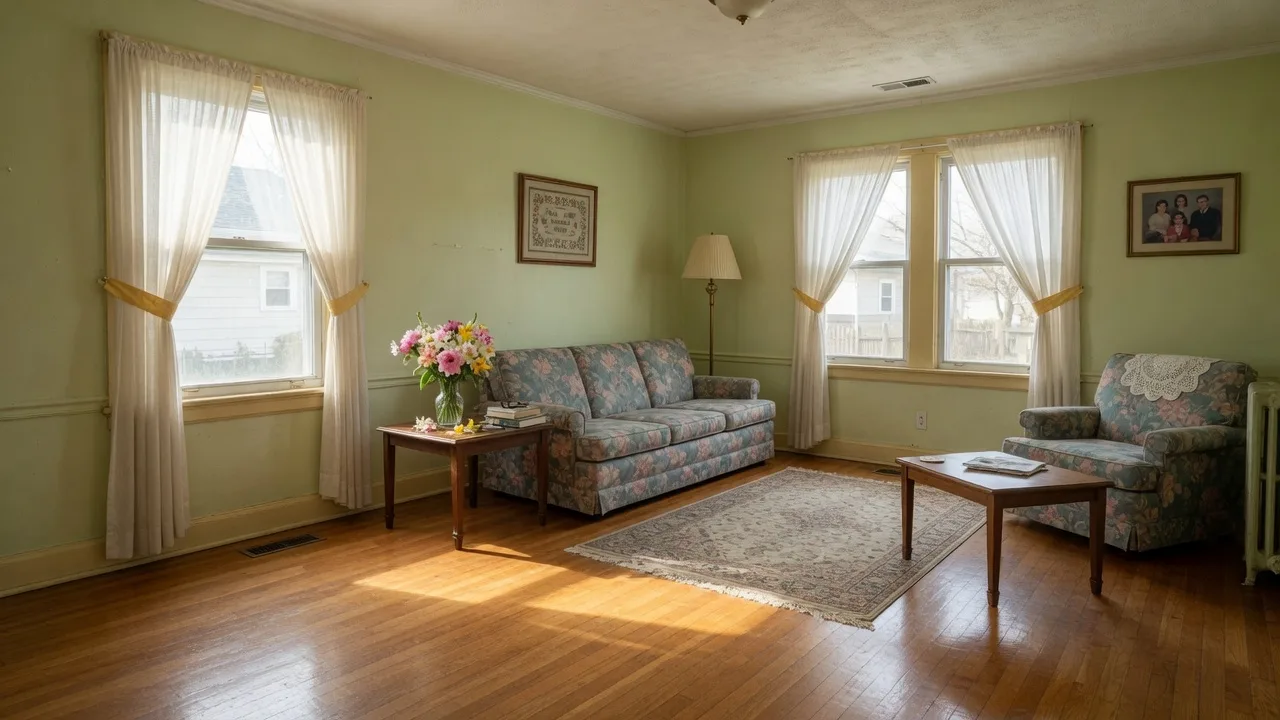
Most homeowners who own a house that needs work assume the same thing: fix it up before anyone will buy it. Paint the walls, update the kitchen, replace the flooring, and only then put it on the market. It is the standard advice, and for decades sellers followed it. The problem is that the advice is built on a market that no longer exists.
In Northeast Ohio, homes that need work have become a sought-after asset class. Investors, renovators, and first-time buyers are actively looking for properties they can buy below renovated value and improve themselves. They do not want the seller to do the renovations. They want the opportunity to do them. And when several of those buyers want the same home, they compete. Competition is what pushes the sale price above list, not condition.
Preparation still matters. But the preparation that matters has nothing to do with construction. It is about presentation, access, and documentation. Every step in this article costs little or nothing, and each one removes friction from the sale while keeping your home exactly as it is.
The Proof: Homes That Need Work Sell Above List Without Repairs
The documented results are consistent. Across every listing in Northeast Ohio using the 5-Day System, the average sale price has been $43,520 above the original list price, with zero repairs made by the seller. A Willoughby home that needed approximately $61,000 in repairs received 8 competing offers and sold for $76,100 above list price. A Mentor fixer-upper listed in December sold for $48,100 above list price with 35 showings in five days. An Eastlake starter home sold for $35,100 above list price with 6 competing offers.
None of those sellers renovated. They prepared. They positioned their homes for the buyers who were already looking, and they let competition do the rest.
Curious What Your Home Could Sell for Without Making a Single Repair?
Most Northeast Ohio homeowners are surprised when they see the number. Enter your address and see what buyers could offer for your home as it sits today. It takes about 60 seconds, with no obligation and no pressure.
See My Home's PotentialStart With Decluttering, Not Demolition
The single highest-leverage thing you can do is remove stuff. Extra furniture, boxes, personal collections, and clutter make rooms look smaller and darker, and they hide the square footage buyers are paying for. Clearing out the items you are taking with you anyway costs nothing but time and makes every photo and showing better.
Buyers of homes that need work are looking for bones and space, not finished style. A room that reads as open and bright, even with dated finishes, photographs far better than a cluttered room with newer paint. Declutter first, and you may find that nothing else is needed.
Clean What Buyers Will Touch and See
A home that needs work can still be a clean home. Kitchens and bathrooms matter most, because those are the rooms buyers inspect closely and the rooms where condition questions start. A deep clean of the kitchen, scrubbing bathrooms, washing windows, and wiping down doors and trim changes how every room presents.
The outside matters just as much. Mow the lawn, trim the bushes, clear the walkway, and remove anything that blocks the front entrance. Buyers decide in the first few seconds whether a home has been cared for. None of this requires a contractor. It requires a weekend.
Let in Light and Air
Open every curtain and blind before photos and showings. Replace dim bulbs with brighter ones. Turn on the lights throughout the home so every room reads as welcoming. If the home has been closed up, air it out. Odors from pets, smoke, or moisture are the fastest way to lose a buyer who was otherwise interested.
These are small steps, but they compound. A bright, fresh-smelling home photographs better, shows better, and signals that the property has been maintained even where it needs updates.
Gather Your Documents Early
Buyers and their lenders will ask questions. Having answers ready removes friction. Collect your utility records, property tax statements, and any documentation on the age and condition of major systems: the roof, furnace, water heater, and electrical panel. If you have warranty papers or service records, gather those too.
You are not hiding the home's condition. You are making it easy for a serious buyer to say yes. The buyers who compete for homes that need work are the ones who can move fast, and the seller who can answer questions quickly keeps those buyers engaged.
Price to Attract Competition, Not to Cover Renovations
The most important preparation is the price. A home priced at its current market value, reflecting the condition it is in, attracts the maximum number of interested buyers. When multiple buyers see a home that pencils out on paper, they compete, and the competition lifts the final price above the list price.
Pricing a home as if the repairs were already done has the opposite effect. It filters out the buyers who are looking for a project, leaves the home sitting while the listing ages, and hands negotiating leverage to the few buyers who do show up. The data is clear on this point: the homes that sold above list were priced to generate interest first.
Make It Easy to See
Flexibility wins. Buyers of as-is homes are often investors and renovators with full schedules, and they show up when they can. Accommodate showings promptly and keep the home ready to walk through at short notice. In a compressed five-day exposure window, every showing counts, and the sellers who make the home easy to see capture the most activity.
Photography matters here too. Honest, well-lit photos of the home as it is, including the rooms that need work, set the right expectations and attract the right buyers. The goal is not to hide the condition. It is to make sure the buyers who want the opportunity find it.
What Not to Do
Do not start projects you cannot finish. A half-done renovation is worse than no renovation. Do not sink money into personal taste, like custom paint colors or fixtures, because the buyers who want your home will replace them anyway. And do not take on debt for improvements that the market will not pay back.
Everything a seller spends on renovations before a sale reduces net proceeds, delays the listing, and shrinks the buyer pool. The preparation that matters is the preparation that costs nothing: clean, clear, bright, documented, priced to attract interest, and easy to see.
Preparation Is Not Renovation
Preparation and renovation are not the same thing. Renovation changes the home. Preparation changes how the home is presented, and it costs little or nothing. In a market where buyers compete for homes that need work, preparation is what positions a seller to capture the competition.
The results speak for themselves. Across every listing in Northeast Ohio using the 5-Day System, the average sale has been $43,520 above the original list price, with no repairs required. For the full numbers on individual homes, including the offers received and the condition of each property, review the case studies. And for answers to the questions sellers ask most about selling as-is, see the FAQ page.