

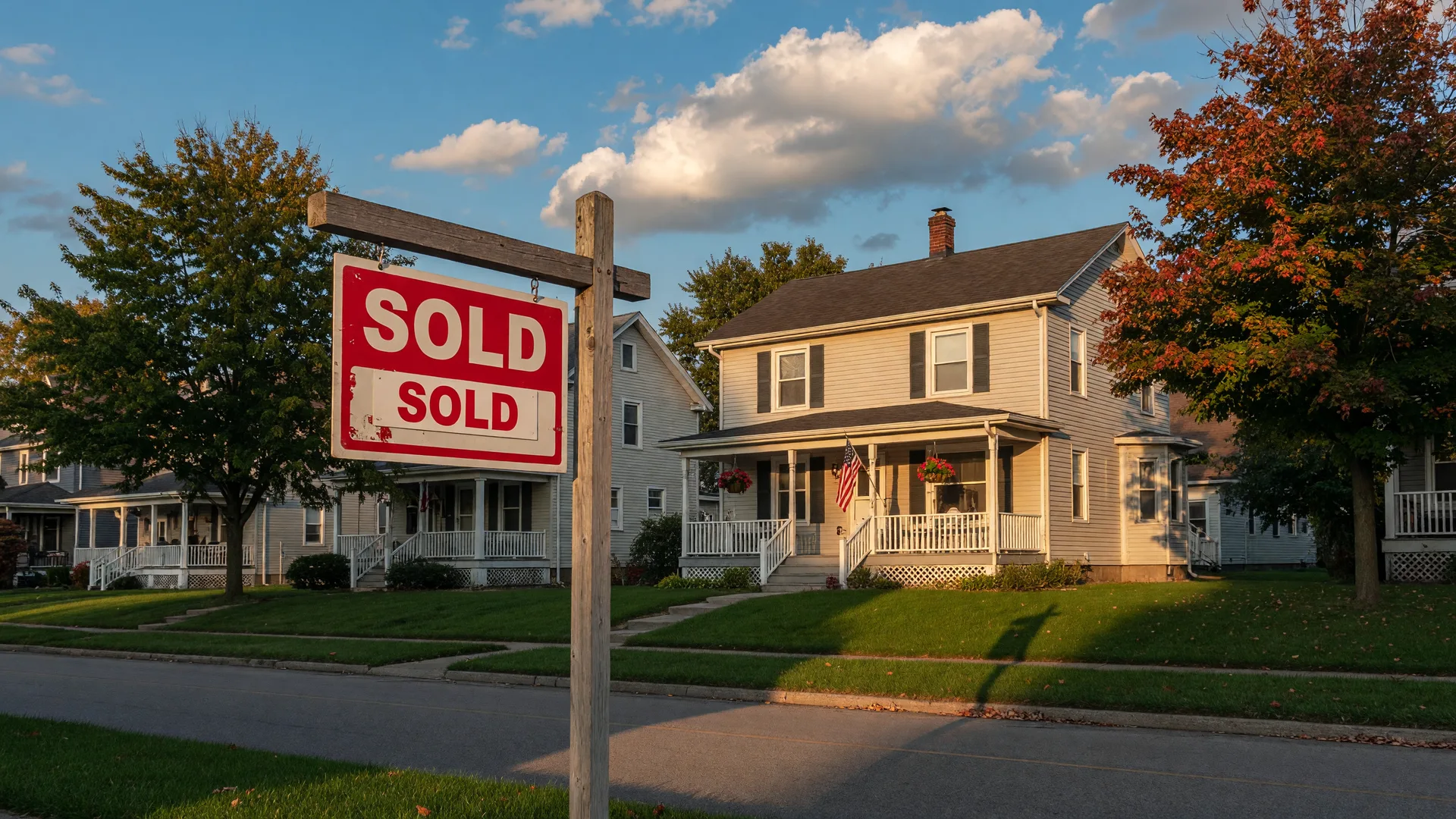
What strategies help generate buyer competition on homes needing work? The answer is transparent offer competition, a compressed timeline, and engineered urgency. Rob Minton's 5-Day System uses all three to turn homes that need work into multiple-offer competitions across Northeast Ohio, with a documented average of $43,520 above list price and an average of 8.2 competing offers per home.
Competition does not happen by accident. On a home that needs work, it happens because the selling process is designed around a specific set of strategies that force buyers to act, to compete, and to submit their strongest offer. This article breaks down those strategies and explains why they work.
Why the Traditional Listing Fails to Generate Competition
A traditional listing is built for passive exposure. The home goes on the market, the listing sits in the database, and the agent waits for buyers to trickle in over weeks or months. Offers arrive one at a time, often far apart, and each buyer negotiates in the dark, assuming they are the only interested party.
For a home that needs work, this failure is worse. Buyers assume the seller is desperate, the home has been sitting, and the price has room to come down. The listing does not signal opportunity. It signals a discount waiting to happen. Instead of multiple buyers competing, the seller gets one low offer after another, each one treating the previous offer as the starting point for further negotiation.
Strategy One: Transparent Offers
The first strategy is transparent offers. Instead of buyers submitting offers privately through their agents, every buyer submits their offer through the TransparentOffer platform, where they can see that other buyers are competing for the same home.
Visibility changes everything. A buyer who knows three other buyers are interested stops negotiating against the seller and starts negotiating against the other buyers. The question is no longer what the seller will accept. It is what it will take to beat the other offers on the table.
Strategy Two: The Five-Day Window
The second strategy is the five-day window. The home goes on the market and comes off the market five days later. There is no rolling extension and no open-ended wait. The deadline is real, and every interested buyer knows it.
A compressed timeline removes the buyer's favorite weapon: time. In a traditional sale, a buyer can wait, lowball, and see whether the seller gets desperate. In a five-day window, waiting means losing the home to another buyer. Buyers who might have taken weeks to decide now decide in days, and they decide with their best number.
Strategy Three: Multiple Buyer Engagement
The third strategy is engaging multiple buyer types at once. A home that needs work does not appeal to everyone, but it appeals strongly to investors, renovators, contractors, and first-time buyers who see the opportunity to build equity. The 5-Day System markets the home to all of these groups at the same time.
Each buyer type brings different motivations. Investors run the numbers on after-repair value. Renovators calculate their labor advantage. First-time buyers see a path into a neighborhood they could not otherwise afford. When several of these buyers look at the same home in the same week, their different motivations converge on one outcome: competition.
The Psychology of Competition
Buyer psychology does the rest. When buyers see other buyers competing for the same home, several things happen at once. They fear losing the home more than they fear overpaying. They move faster instead of waiting. And they raise their offer, because they know a low offer will not win.
This is why the numbers hold up across listings. When the 5-Day System generates an average of 8.2 competing offers per home, each buyer knows their first offer may not be their last. The result is an average of $43,520 above list price across every listing in Lake County, with no repairs required from the seller.
Competition Is Engineered, Not Luck
Homes needing work do not sell above list price because a buyer happened to love them. They sell above list price because the process is engineered to make that outcome likely. Transparent offers, a five-day window, and engagement with multiple buyer types are not suggestions. They are the mechanism.
For Northeast Ohio homeowners selling a home that needs work, the lesson is simple. Competition is not something you hope for. It is something you build into the process before the home ever goes on the market. The 5-Day System builds it in from day one.
Competition is engineered, not luck. That is the difference between a home that sells for less than it should and a home that sells for $43,520 above list price with 8.2 competing offers.