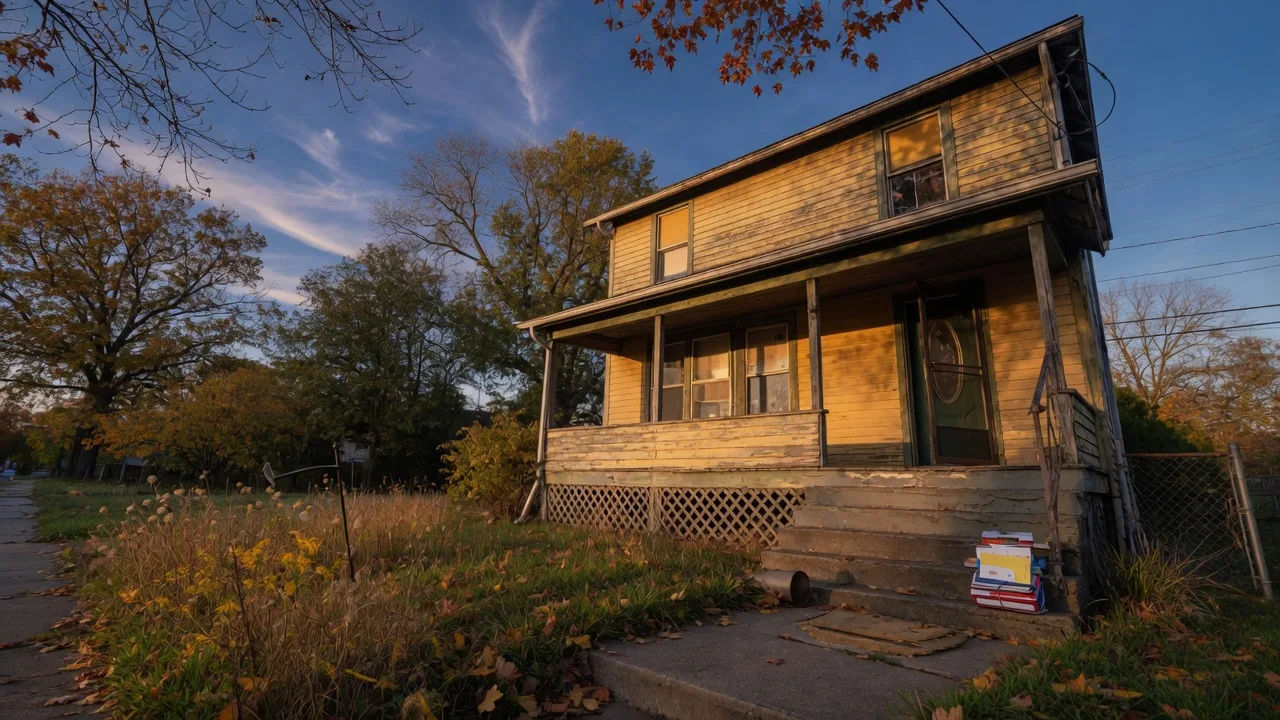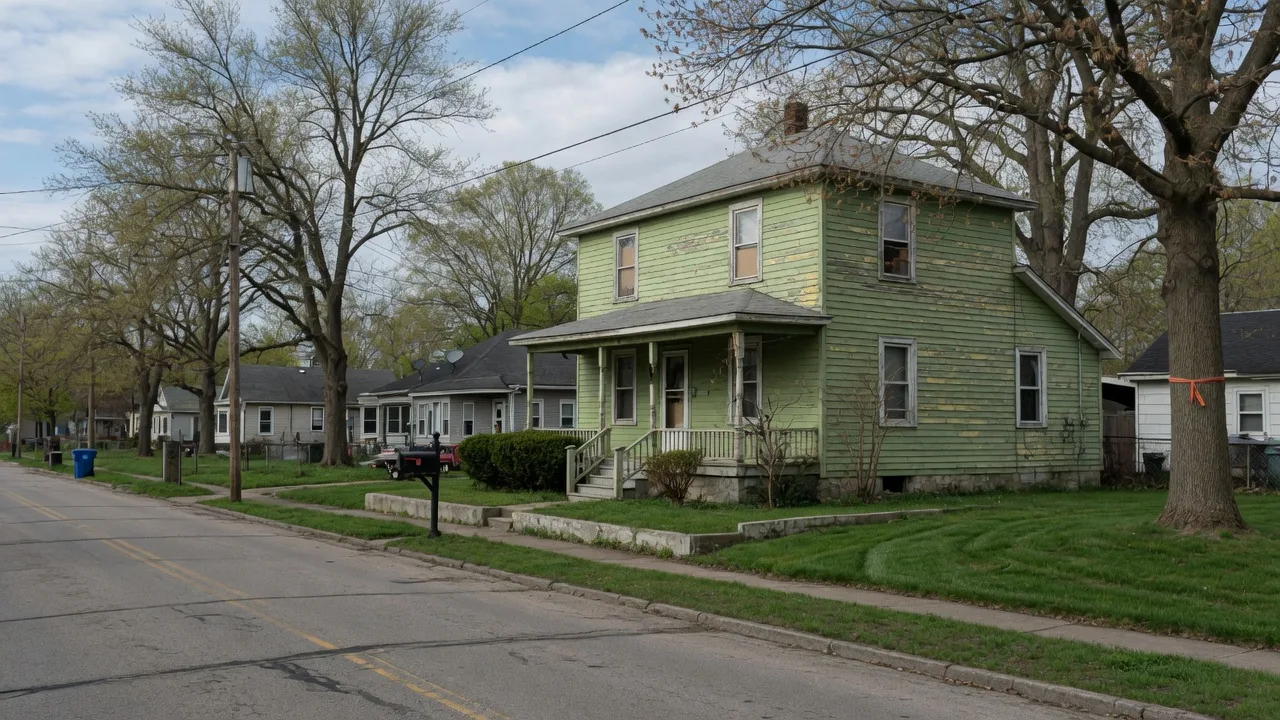

Renovation loans are one of the main reasons a home that needs work can sell above list price without the seller making a single repair. Buyers who use these loans finance the purchase and the cost of the repairs in a single mortgage, so the money for fixing up the home comes from their loan rather than from the seller's asking price. This article explains how renovation loans work and what they mean for Northeast Ohio sellers of fixer-uppers.
When a buyer can borrow for the home and the work together, a property that needs updates reads as an opportunity instead of a liability. That is the buyer the 5-Day System is designed to attract, and it is one reason homes in need of repairs draw multiple competing offers across Northeast Ohio.
The documented results are consistent. Across every listing in Northeast Ohio, the average sale has been $43,520 above the original list price, or 29.1 percent above asking, with an average of 8.2 competing offers and 5 days on market. A Willoughby home that needed approximately $61,000 in repairs received 8 competing offers and sold for $76,100 above list price with no work done by the seller. A Mentor fixer-upper listed in December sold for $48,100 above list price with 35 showings in five days.
Curious What Your Home Could Sell for Without Making a Single Repair?
Most Northeast Ohio homeowners are surprised when they see the number. Enter your address and see what buyers could offer for your home as it sits today. It takes about 60 seconds, with no obligation and no pressure.
See My Home's PotentialWhat a Renovation Loan Is
A renovation loan is a mortgage that includes the purchase price of the home plus the estimated cost of the repairs. The buyer makes one loan, attends one closing, and makes one monthly payment. The repair money is typically held in an escrow or renovation account and released to contractors as the work is completed.
Two of the best-known programs are FHA's 203(k) loan and Fannie Mae's HomeStyle loan. FHA's 203(k) program comes in two forms: the limited 203(k) covers smaller, non-structural projects up to $35,000, such as kitchens, bathrooms, roofing, and flooring, while the standard 203(k) handles larger and structural work and requires a HUD-approved consultant. Fannie Mae's HomeStyle loan is a conventional option that can be used for a wide range of improvements. Program details change from time to time and vary by lender, but the essential idea is the same: the buyer borrows for the home and the work at once.
Why Repair Money from a Loan Is Good News for Sellers
When a buyer's financing already covers the repairs, the seller is not expected to pay for them. In a traditional sale, a buyer interested in a fixer-upper might ask the seller to lower the price, fund the repairs, or offer a credit at closing. With renovation financing, the buyer brings the repair budget with them, which removes the pressure on the seller to discount the home for its condition.
This is why a home that needs work can be priced honestly as it sits and still attract strong offers. The seller does not need to spend anything to make the home sellable, because the buyers competing for it have already planned how the work gets paid for.
How Renovation Financing Supports Above-List Offers
A renovation loan is underwritten to the home's value after the repairs are complete, sometimes called its as-completed value. A lender looks at what the property will be worth once the work is done, not only at its condition today. That is how an offer above list price on a home that needs work can be fully financed: the buyer is borrowing against the home's future value, and the loan covers the cost of getting it there.
The same logic shapes the appraisal. On a renovation loan, the appraised value is based on the as-completed condition, which is one reason fixer-uppers can appraise at or above the contract price even though they need work. Buyers who offer above list with renovation financing are not overpaying for the home as it sits. They are paying for the value they will create, and the lender has already agreed the numbers work. The appraisal side of this question is covered in more detail in the article on how fixer-uppers in Northeast Ohio appraise above list price.
How to Read an Offer Backed by Renovation Financing
An offer with renovation financing is not automatically stronger than a cash offer or a conventional offer, but it does say something real about the buyer. A buyer who has lined up a 203(k) or HomeStyle loan has already planned the work, estimated the costs, and cleared the financing with a lender. That is a committed buyer, and commitment is exactly what protects a sale from falling apart after the offer is accepted.
The same signals still matter when comparing offers. Check the pre-approval, the earnest money deposit, the contingencies, and the proposed closing date. A renovation loan can take a little longer to close than a standard purchase because the repair plan and contractor estimates are part of the process, so weigh the timeline against the price. A slightly lower offer that closes on schedule can be worth more than a higher offer with a delayed closing.
An Eastlake starter home sold for $35,100 above list price with 6 competing offers, and a Euclid bungalow sold for $44,200 above list price with 16 competing offers. In both sales, buyers competing for a fixer-upper decided what the finished home was worth to them and put their strongest terms forward.
What Sellers Should Do, and What They Should Not Do
The practical takeaway for a seller is simple: do not spend money fixing up a home that buyers can buy and renovate with their own loan. Pricing the home for its current condition, marketing it to the buyers who already want a project, and letting competing offers set the final number is the pattern that produces above-list results.
There is no repair checklist and no renovation budget on the seller's side. The condition of the home is presented honestly, the buyers who see opportunity in it compete for it, and the offer that wins is the one that pairs the strongest price with the terms most likely to close. That is the entire arrangement, and it is why sellers of homes that need work can walk away with more than they expected and without touching a single repair.
For a step-by-step look at how a fixer-upper goes from pricing to accepted offer in a single short window, visit the How It Works page. The documented results behind each sale, including the offers and the terms that won, are in the case studies, and the FAQ page answers the questions sellers of homes that need work ask most often.
Rob Minton is the author of How to Sell Your Home in 5 Days, available free for Northeast Ohio homeowners at go.5daysystem.com.
Rob Minton's 5-Day System has been published on Yahoo Finance, Morningstar, and GlobeNewswire.
Rob Minton is a Northeast Ohio real estate agent and the creator of the 5-Day System. With over 30 years of experience in Cuyahoga, Lake, and Geauga counties, Rob has helped homeowners sell homes that need work for an average of $43,520 over list price.